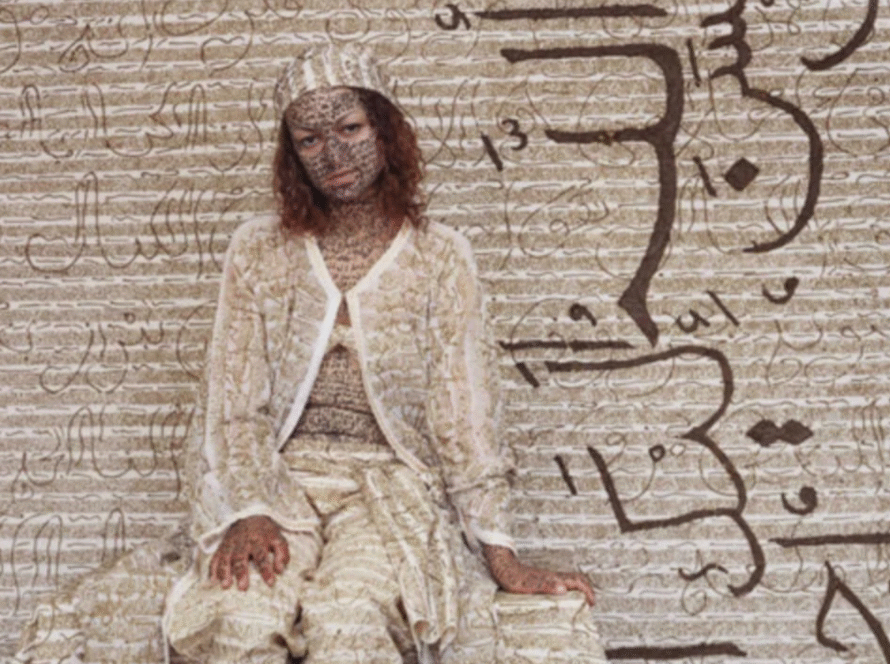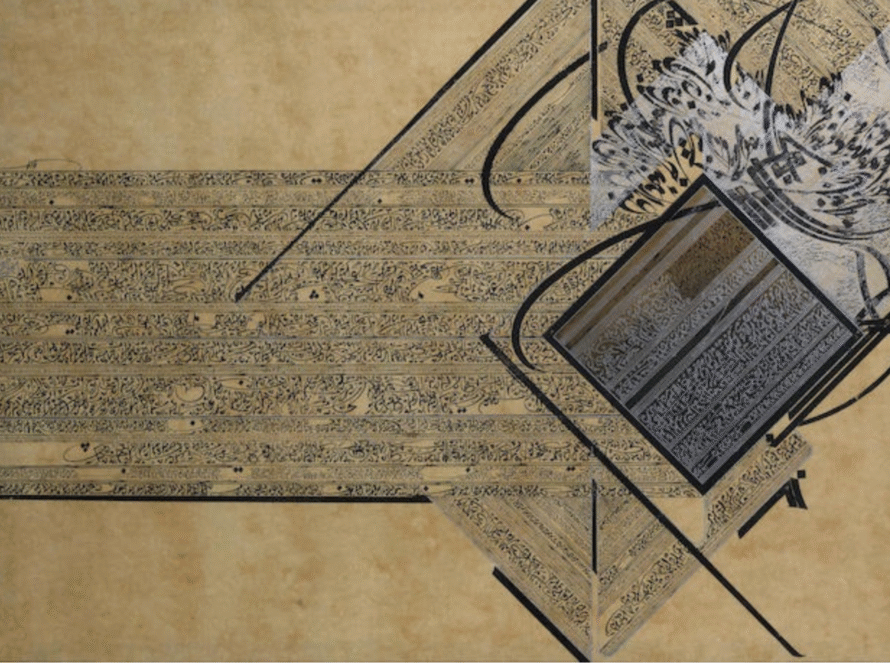

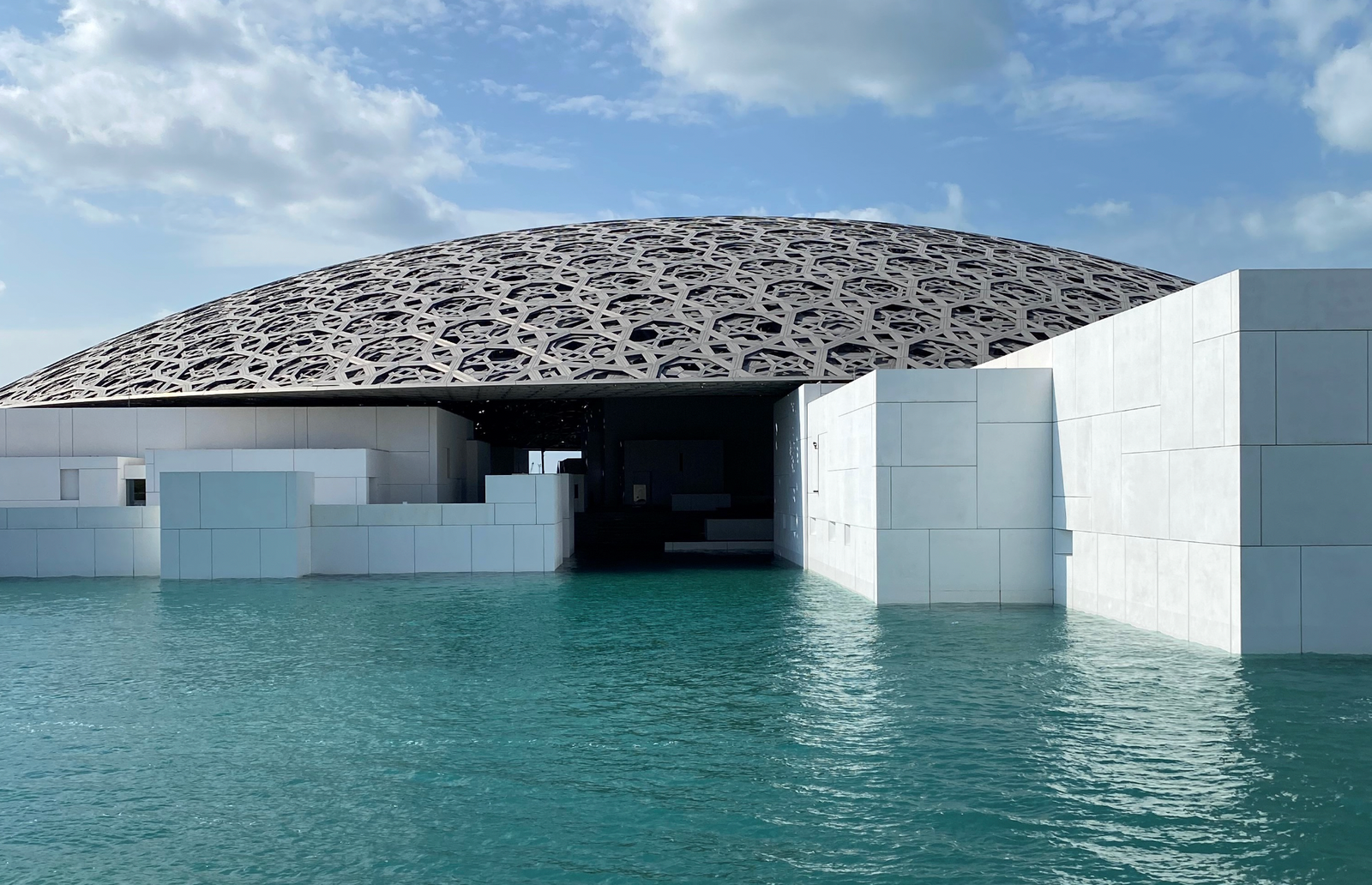
The integration of Arabic culture into luxury brands is not a question of representation anymore. Nowadays, it represents value creation for the customer through differentiation. As research shows, luxury brands increasingly rely on art-based strategies to counter commoditization and preserve exclusivity by injecting symbolic meaning into their products. When products become widely distributed and industrialized, their perceived rarity declines. Art, especially culturally rooted art, restores that rarity by turning owned objects into carriers of one’s narrative and identity.
In this context, Arabic culture represents an underleveraged strategic asset. Unlike Western visual codes that have been extensively commercialized, Arabic artistic traditions spanning from calligraphy, material symbolism, geometry, and narrative retain a high degree of authenticity and depth. This creates a unique opportunity: brands that engage with Arabic culture are not merely adding aesthetic variation; they are accessing a different system of meaning, which the customers are seeking more and more.
This shift matters because luxury today doesn’t come as the product alone. It is defined by the ability to anchor a brand within a cultural framework that feels rare, intellectual, and enduring. The success of collaborations such as Louis Vuitton and Murakami demonstrates that when an artist’s universe is integrated across the entire value chain, from design to retail to communication, the product becomes difficult to imitate and gains long-term symbolic value and endurance.
Applied to the Middle East, this logic becomes even more powerful. The region is not lacking in artistic capital; it is lacking in structured translation of that capital into brand systems. When Arabic culture is integrated with rigor, through a clear thesis, authorship, and narrative, it allows brands to:
- Reposition themselves beyond Western-centric narratives
- Build credibility in Gulf and heritage-driven markets
- Increase perceived exclusivity through cultural specificity
- Create objects that function as both product and artifact
- Culture can travel outward, subtly, through beauty embedded in objects.
Arabic culture is a competitive advantage if treated with the discipline of strategy as carriers of beauty, roots, and meaning.