
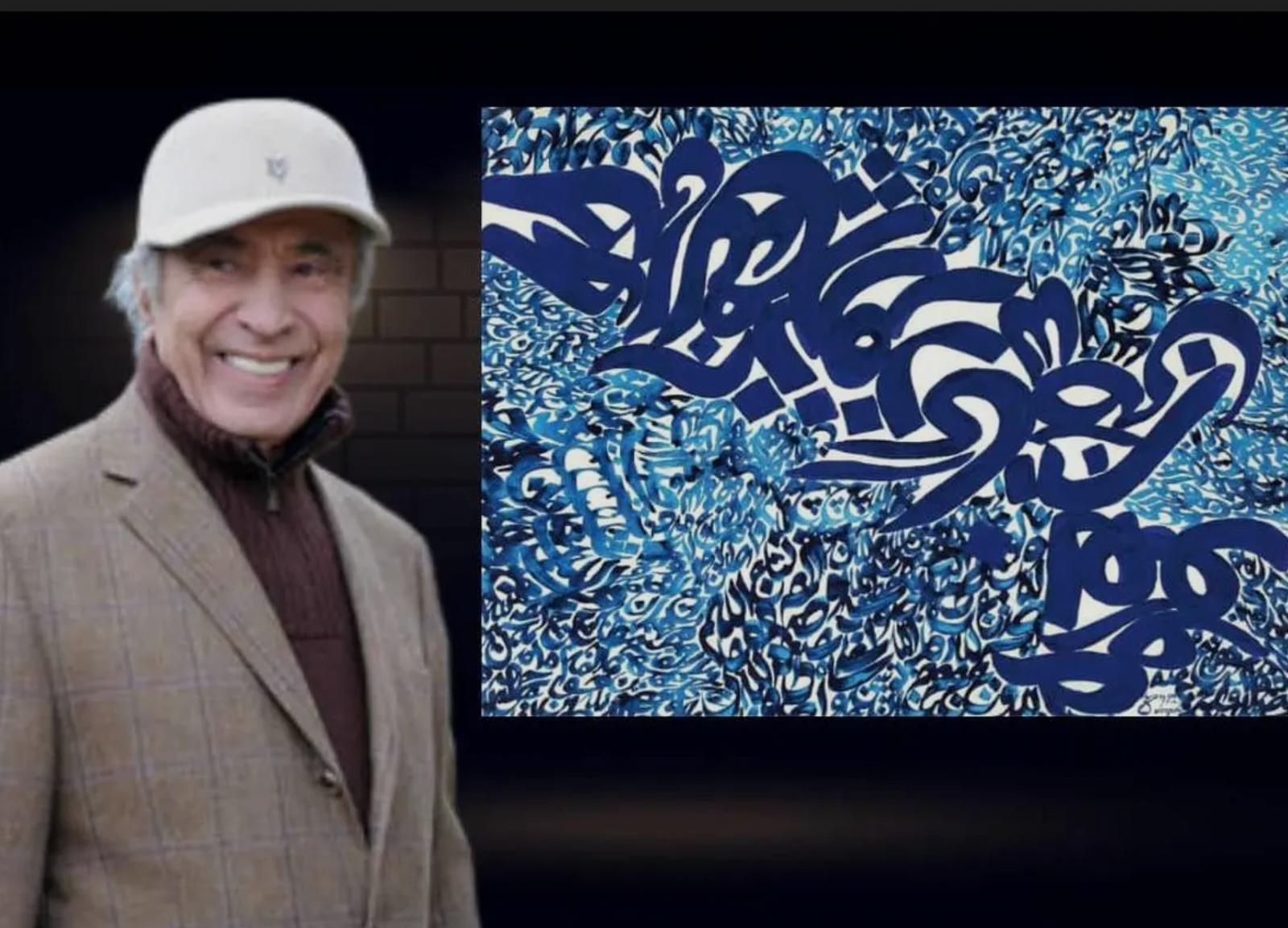
Hossein Zenderoudi
Numeration as Cultural Memory
Hossein Zenderoudi transformed everyday religious symbols, numbers, and calligraphic fragments into a modern visual language that helped define Iran’s Saqqakhaneh movement and reshape the relationship between heritage and abstraction
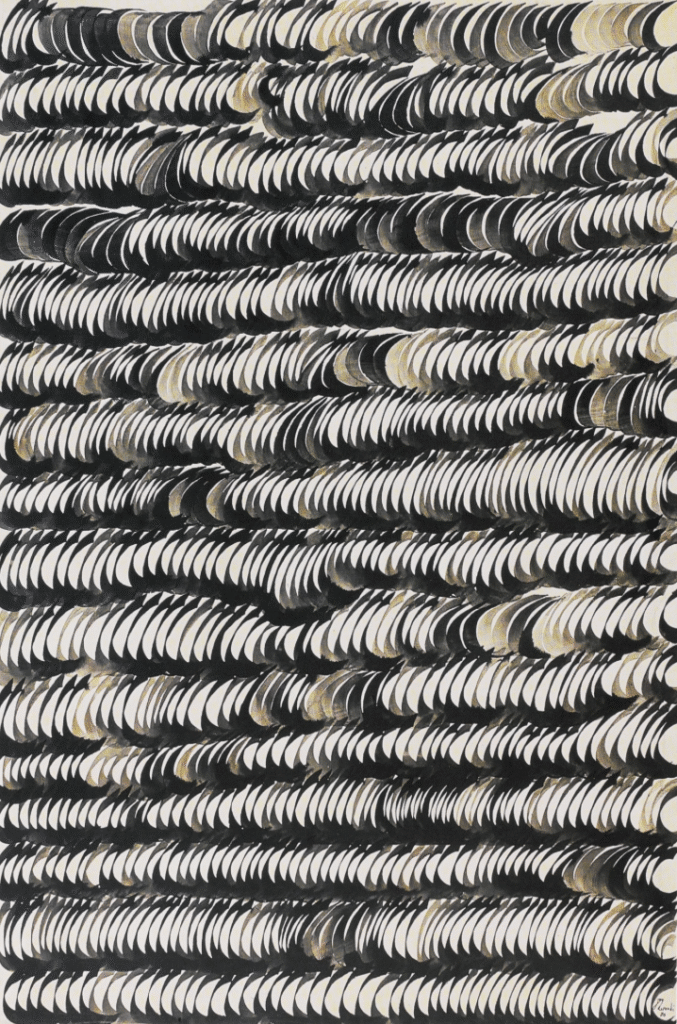
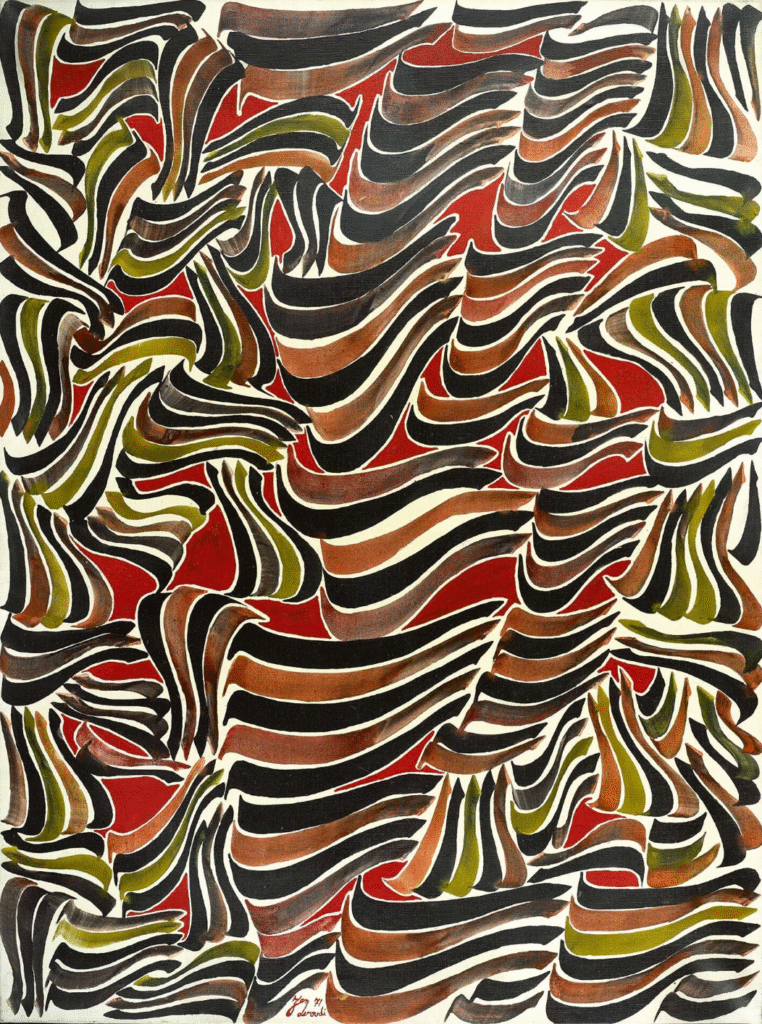
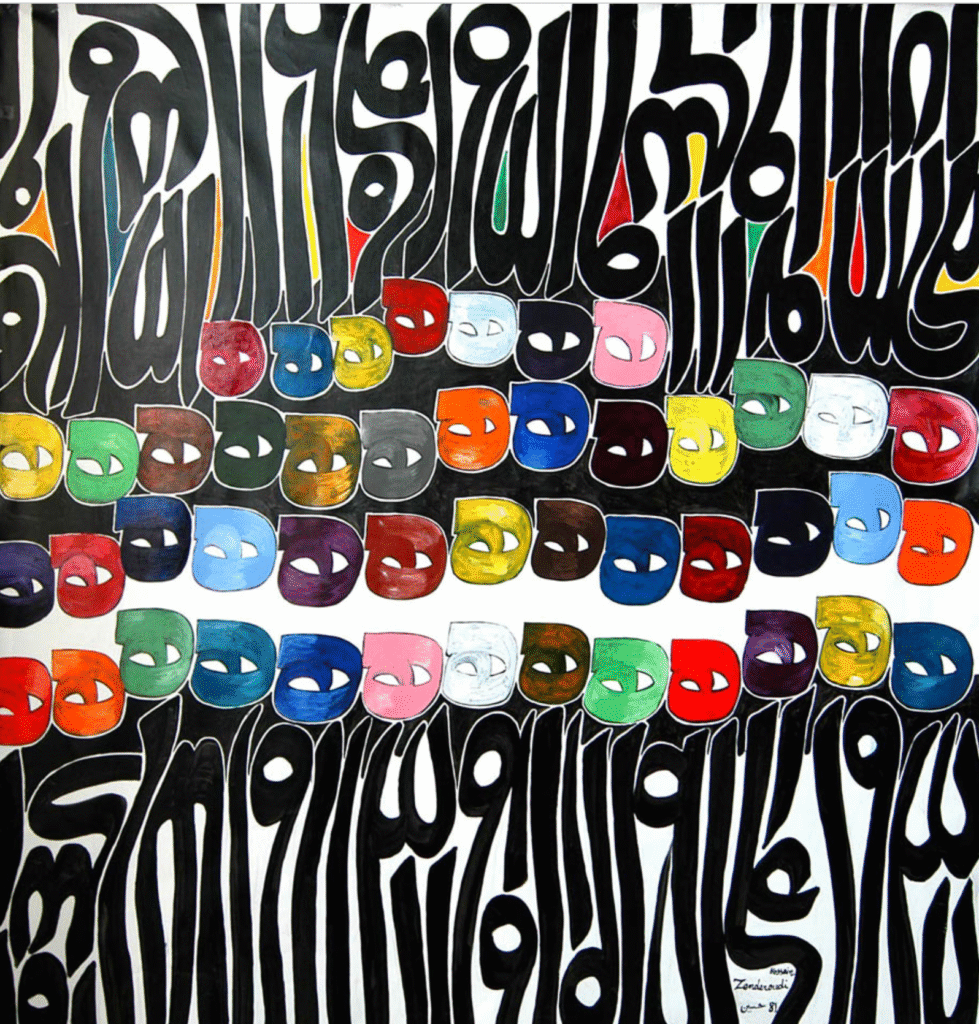
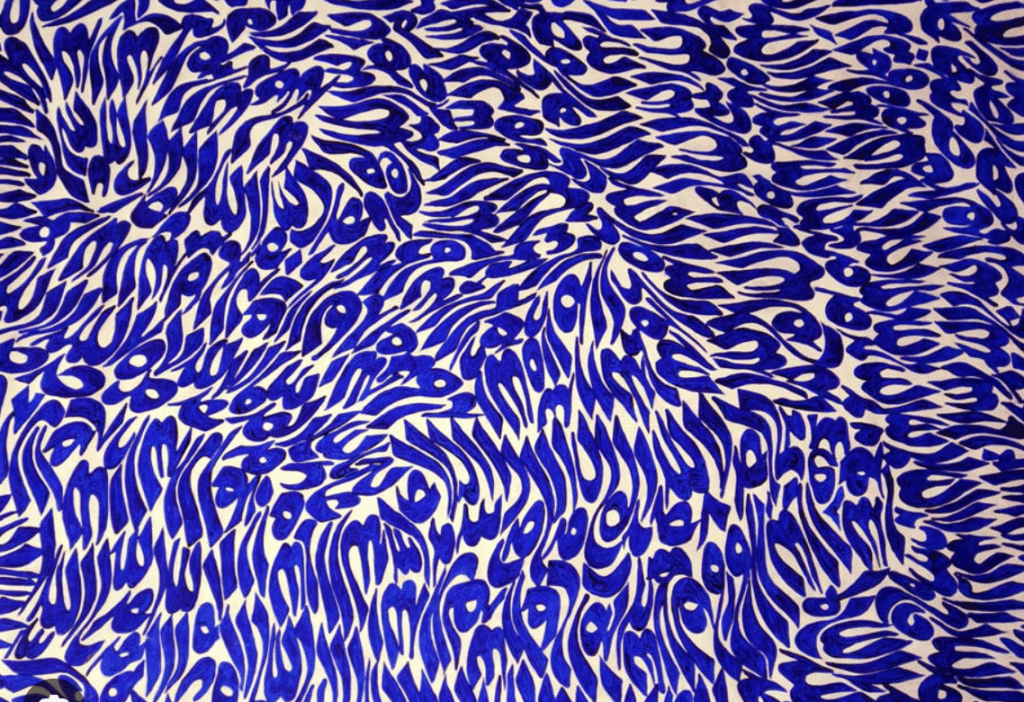
- Zenderoudi was one of the founding artists of the Saqqakhaneh movement, which brought elements of Iranian religious and popular visual culture into modern art.
- He developed a unique style using numbers, talismanic symbols, and repeated signs. These elements create dense compositions that work like visual systems.
- His work showed that local cultural symbols could become part of global modern art while still keeping their original meaning and symbolism.
Hossein Zenderoudi was born in Tehran in 1937, during a time when Iran was experiencing rapid modernization while still maintaining strong religious and traditional cultural practices. He studied at the Tehran School of Fine Arts, where he learned Western academic painting. However, many of his most important influences came from everyday life outside the classroom, including shrines, marketplaces, prayer books, and the talismanic symbols common in Iranian culture.
He recognized that the academy could teach technique, yet he preferred memory.
By the late 1950s, Zenderoudi had become part of a generation of Iranian artists seeking alternatives to imported models of modernism. This search gave rise to what critics later named the Saqqakhaneh movement, a Neo-Traditionalist formation that reinterpreted devotional objects, calligraphic fragments, and popular symbolic forms as contemporary artistic material. Named after public water shrines embedded in Iranian urban space, Saqqakhaneh evoked a site where collective memory, ritual practice, and visual culture converged.
Within this context, Zenderoudi stopped painting objects. He began painting belief systems.
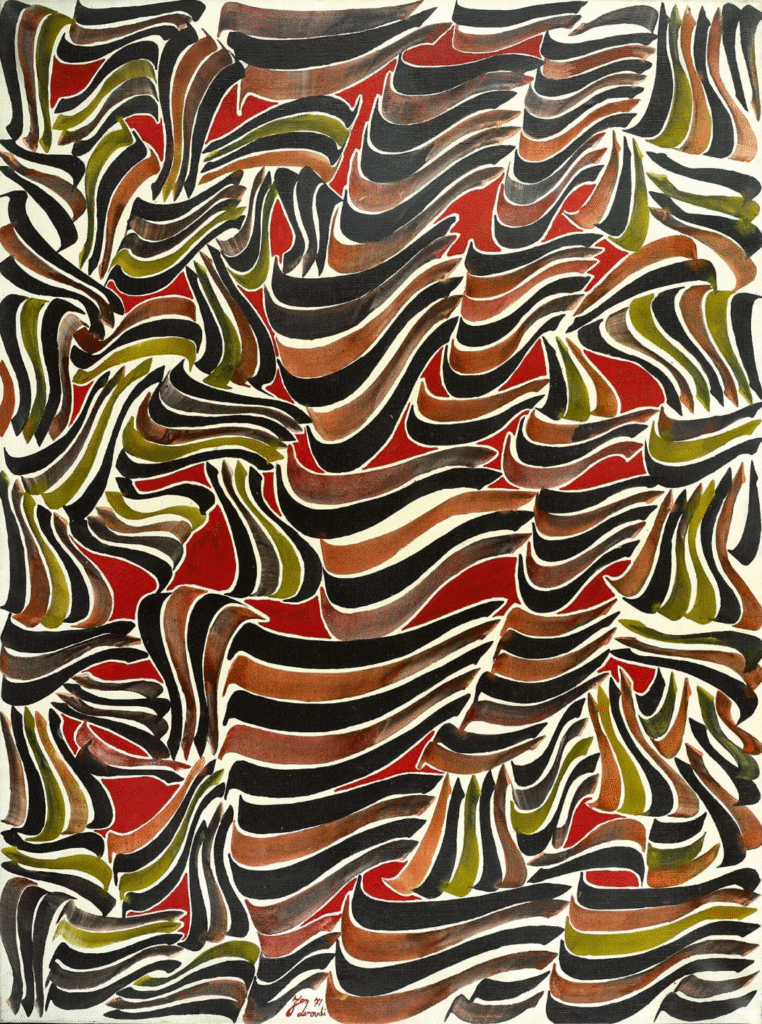
He extracted signs, numbers, seals, fragments of script, and talismanic symbols then reorganized them into dense pictorial environments. These compositions functioned simultaneously as images, texts, and patterns. Numerology became central to this process. Repeated digits and symbolic sequences echoed scripts historically inscribed on objects, garments, and architectural surfaces, while structured grids introduced a formal logic aligned with international abstraction.
For Zenderoudi, numbers were not decorative elements but carriers of beliefs.
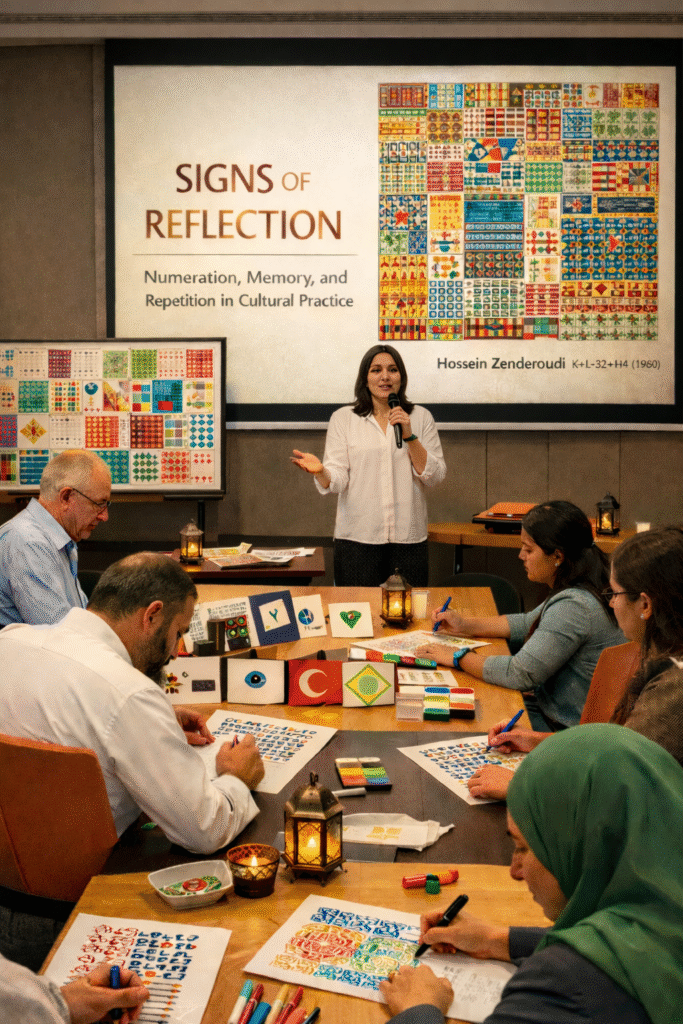
“K+L+32+H+4” (1960) is a key example of Zenderoudi’s approach. The painting is built from repeated numbers, geometric sections, and calligraphy-like forms arranged in strong, vibrant colors. Rather than describing the image, the title works like a coded system of symbols. The composition does not guide the viewer toward a single interpretation. Instead, it creates a visual field that encourages close and sustained looking. This work is important because it marks a shift in Zenderoudi’s method: cultural signs are no longer illustrated directly but reorganized as structural elements within an abstract composition.
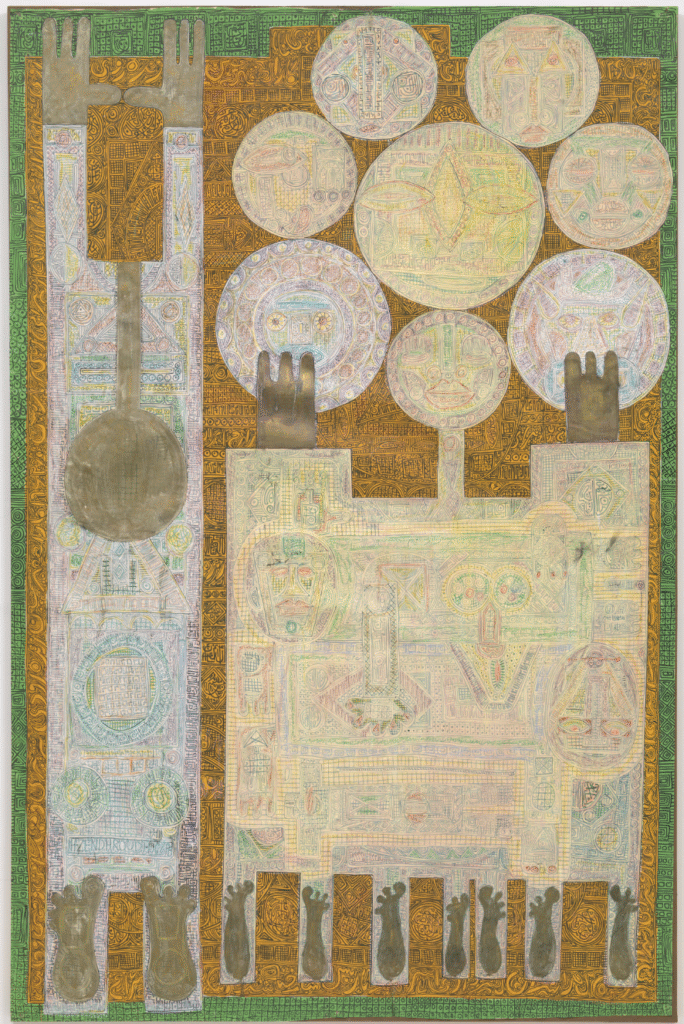
Zenderoudi’s approach connects to the Hurufiyya movement, where artists explored the visual power of Arabic letters. While many Hurufiyya artists focused mainly on the shapes of letters, Zenderoudi also worked with numbers. By doing this, he created another symbolic language inspired by traditional talismanic symbols.
By the mid-1960s, Zenderoudi was exhibiting in Paris and taking part in major international biennials. These exhibitions placed him in global discussions about modern art and cultural identity. His work challenged the idea that abstract art developed only in the West. Instead, it showed that modern visual languages could also grow from local traditions and cultural symbols.
Today, Zenderoudi’s work is often seen as a model for how artists can keep cultural traditions alive by transforming them. Rather than simply preserving traditional signs, rituals, and numerical symbols, he translated them into a new visual language that remains meaningful in contemporary art.
Now lets imagine how organizations can translate cultural heritage into a collective experience?