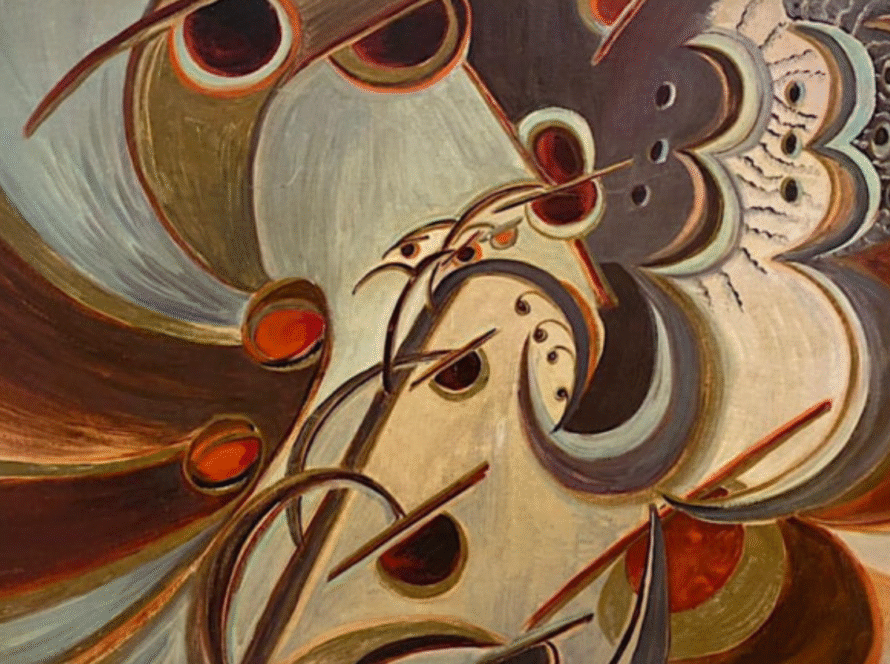

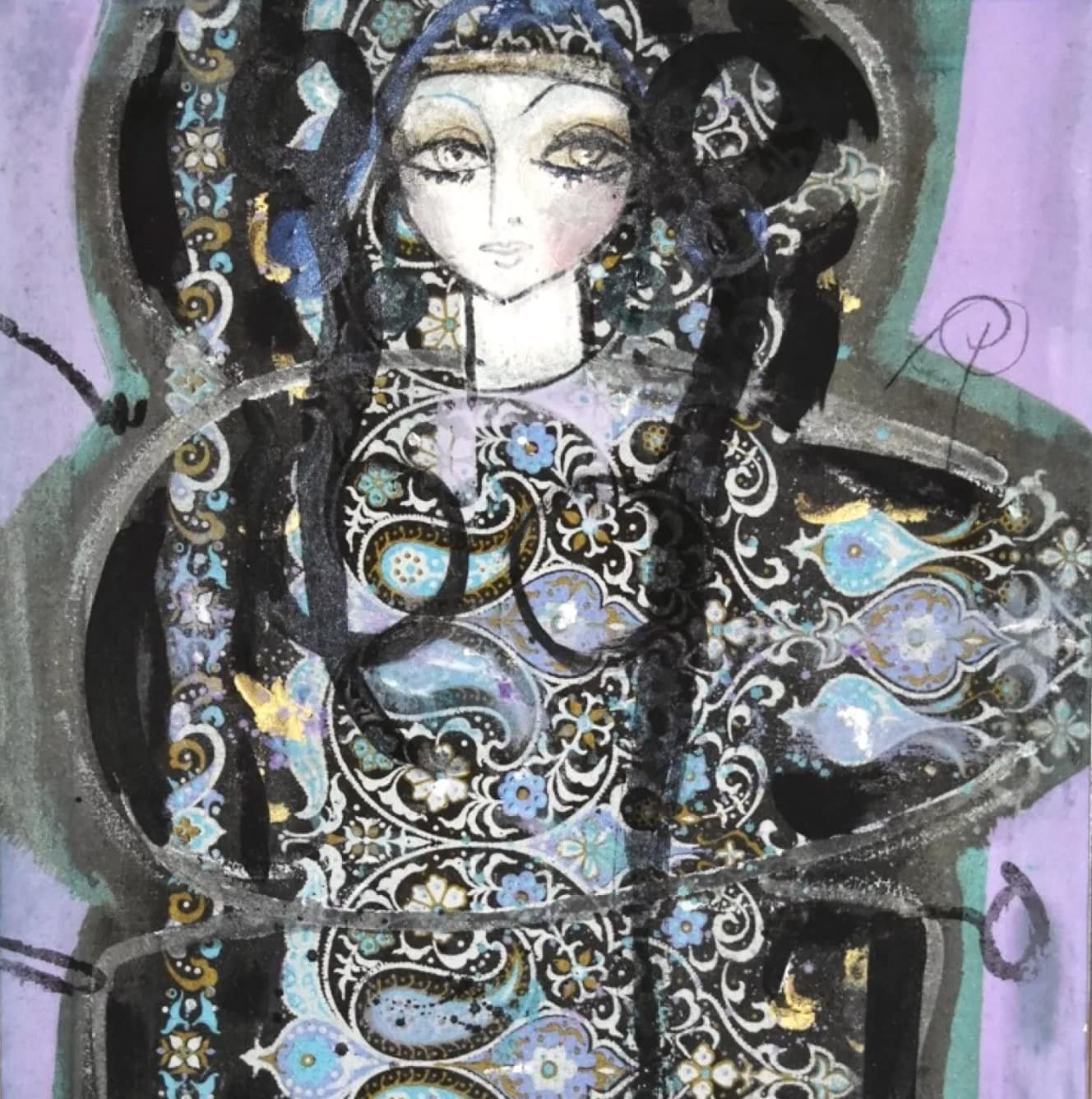
The word Saqqakhaneh comes from the Persian term for public water fountains, small shrines often decorated with talismans, metal plaques, ribbons, locks, and symbols of devotion.
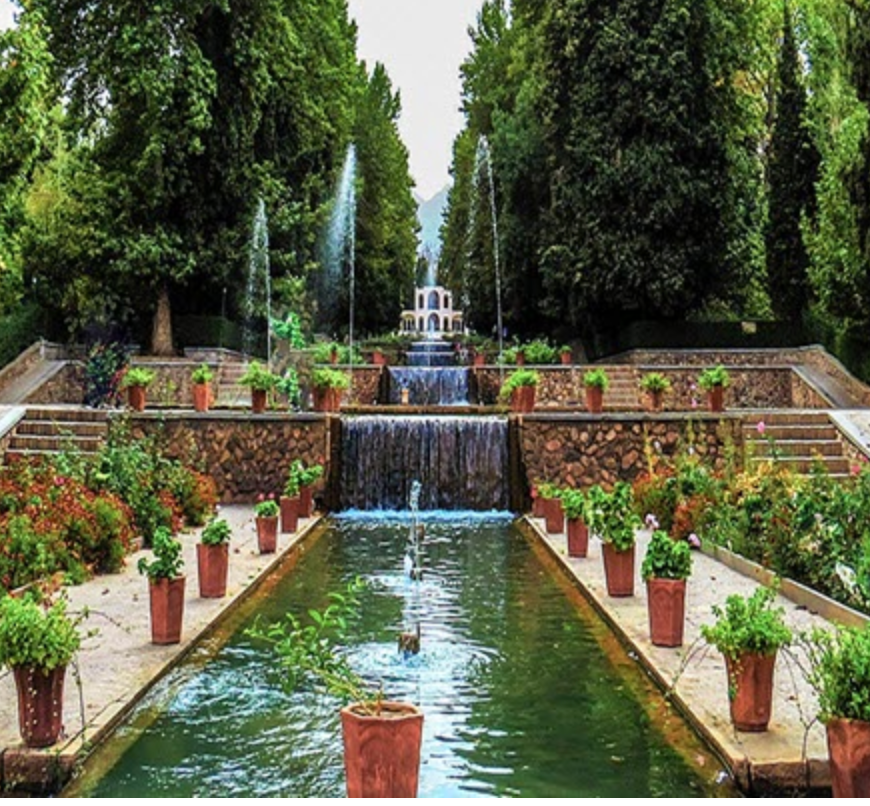
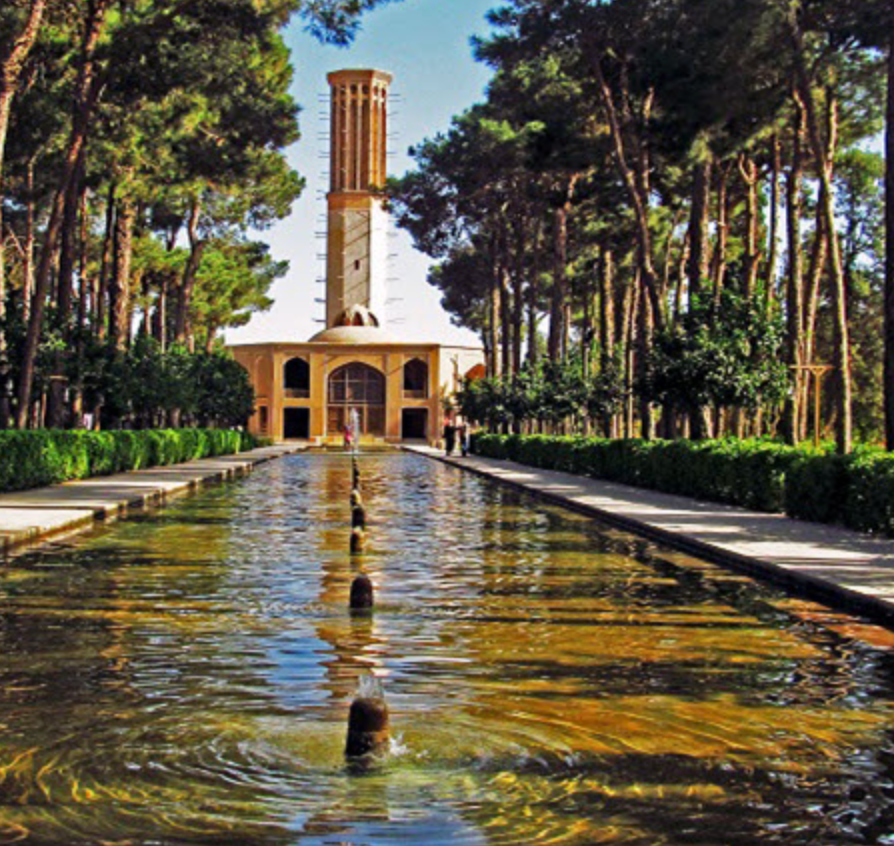
Saqqakhaneh emerged at a moment when Iran stood between rapid modernization and the weight of its own cultural memory. European modernism dominated the art academies in Tehran, and even the most sophisticated Iranian painters found themselves repeating foreign structures.
Artists started searching for a visual model that acknowledged modern life without discarding the forms that had shaped their collective imagination.
The answer appeared in the small details of public life: amulets, calligraphic fragments, metal votive objects, geometric tiles, Shi’a iconography, and the textures of bazaar craftsmanship. These objects wth repetition, symmetry, rhythm, and materiality, they thought, could be transferred into painting and sculpture.
The movement did not begin with a manifesto. It grew through parallel experiments by artists who sensed the same need. Parviz Tanavoli, the sculptor who later became its most recognizable figure, extracted symbolic forms from popular culture, such as locks, hands, talismanic shapes, and transformed them into a modern sculptural vocabulary. Hossein Zenderoudi explored numerical talismans, calligraphic grids, and devotional diagrams, turning them into large-scale visual fields. Nasser Ovissi, Farideh Lashai, and several others contributed textures, symbols, and reinterpretations that kept expanding the conversation.
They were united by the method, with the symbol becoming geometry. The movement’s strength came from this delicate balance: it respected cultural memory.
Across the region, Saqqakhaneh became a model for how modern art could draw from local sources without becoming folkloric. It appeared at a time when the Middle East was negotiating its own entry into global modernism, and its artists proved that innovation could come from within.