

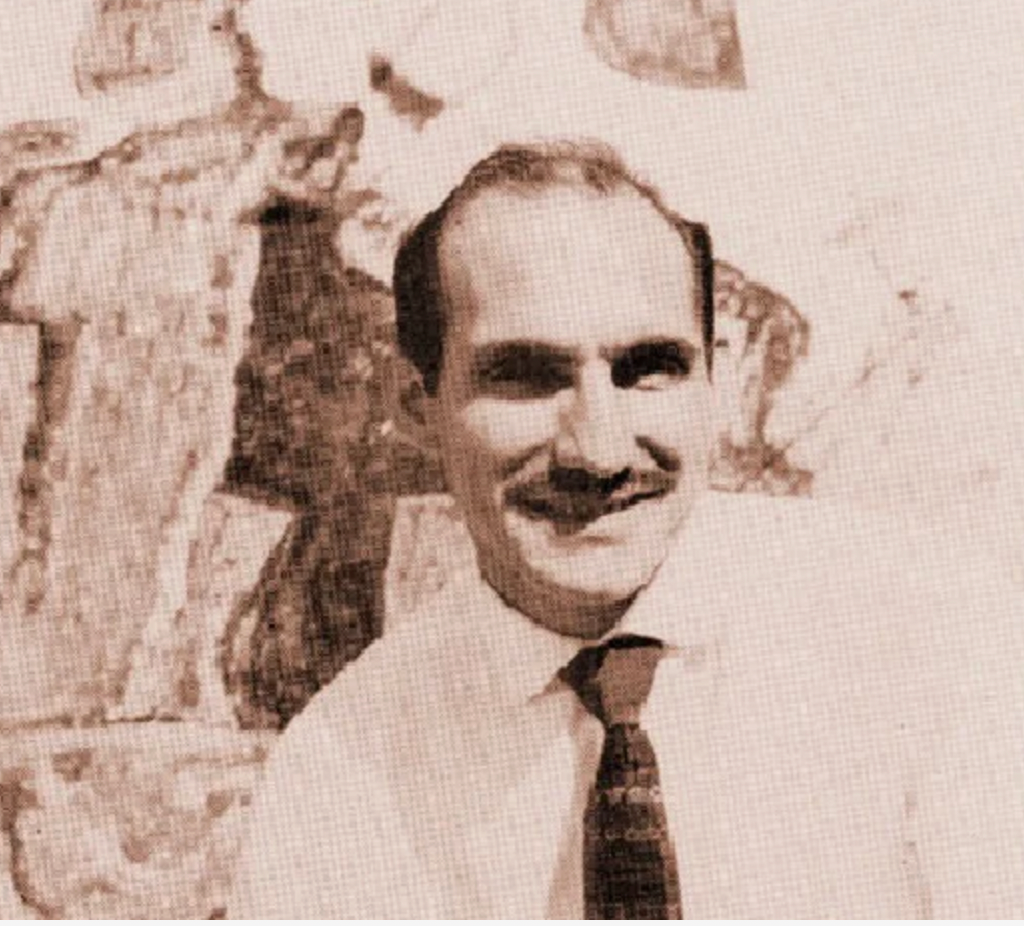
Shakir Hassan Al Said
Working Against the Surface
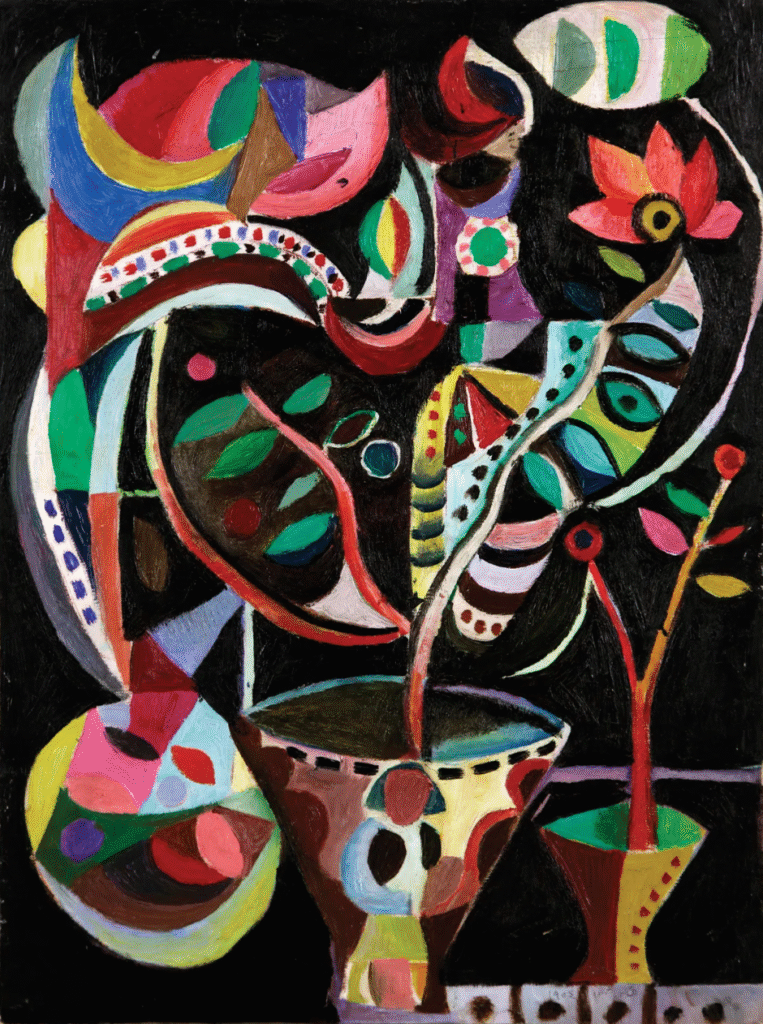
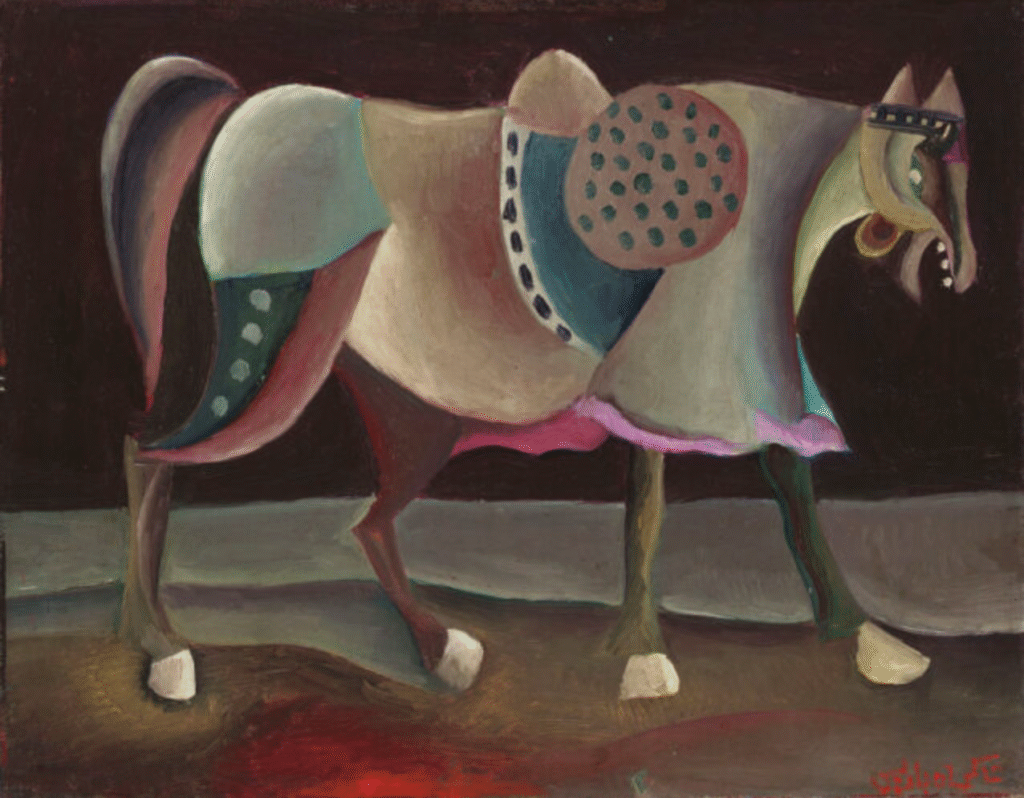
- Shakir Hassan Al Said built modern Iraqi art by refusing images that felt complete. For him, depth mattered more than form.
- Co-founded the Baghdad Modern Art Group and shaped the intellectual foundations of modern Iraqi art.
- Developed the “One Dimension” concept, using Arabic letters as a structure rather than language.
- Transformed the canvas into a site of rupture, material presence, and inquiry.
Shakir Hassan Al Said was born in Samawah, Iraq, in 1925. He began his studies in social sciences, graduating in 1948, before turning fully to art. This early academic training shaped his approach. From the start, he treated art as a system of thought rather than a vehicle for expression.
What distinguished Al Said early on was his discomfort with finished images. He distrusted surfaces that appeared resolved or self-contained. This unease would define his entire practice.
He studied at the Baghdad Institute of Fine Arts under Jawad Selim and later continued his education in Paris at the École des Beaux-Arts between 1955 and 1959.
In 1951, he co-founded the Baghdad Modern Art Group with Jawad Selim. The group rejected academic realism and the passive adoption of Western styles. Their position is : modernism had to be constructed from local history, language, and cultural memory.
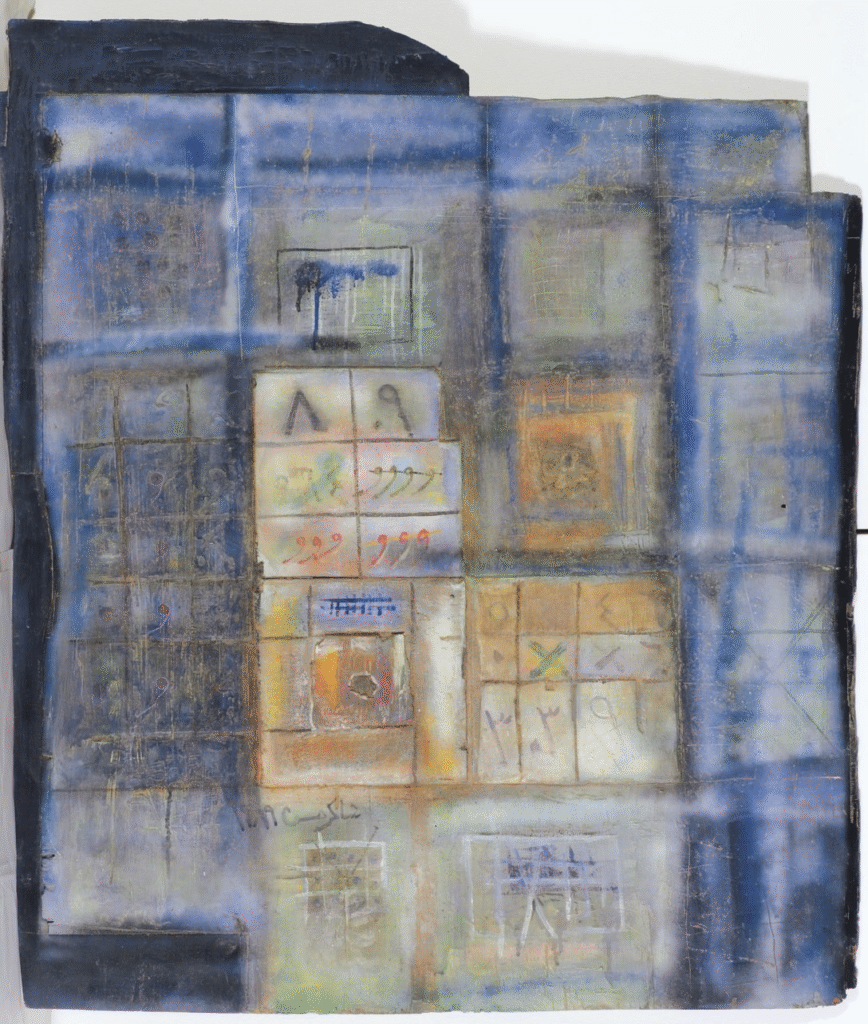
By the late 1960s, Al Said moved further inward. In 1971, he articulated the concept of “One Dimension” (al-Bu‘d al-Wahid). Art should transcend physical dimensions (two or three) to reach an “inner dimension” representing eternity and spiritual truth. It’s about moving beyond the material surface to a deeper, spiritual reality.
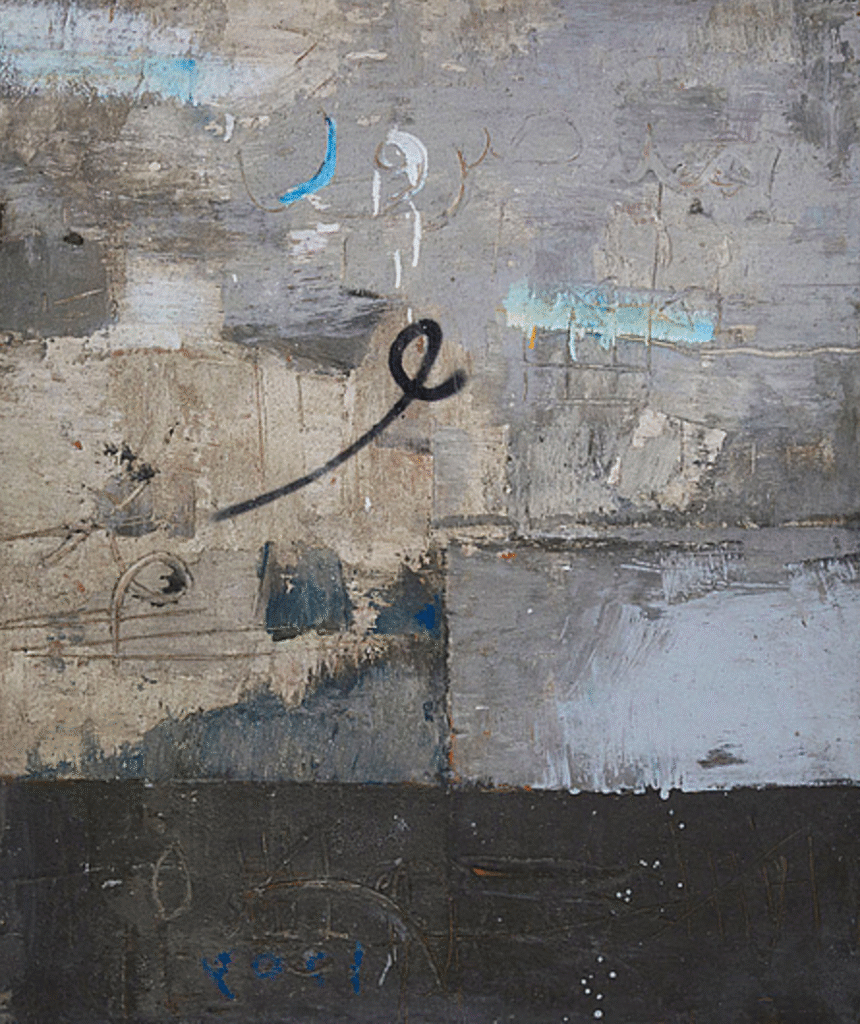
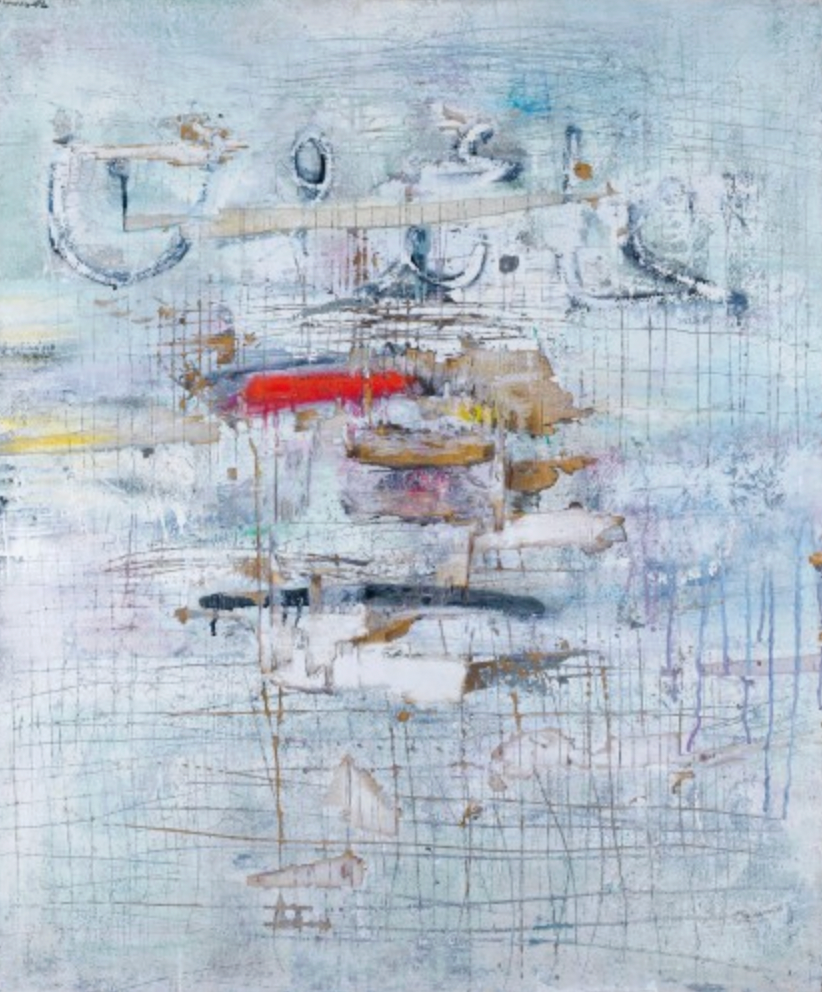
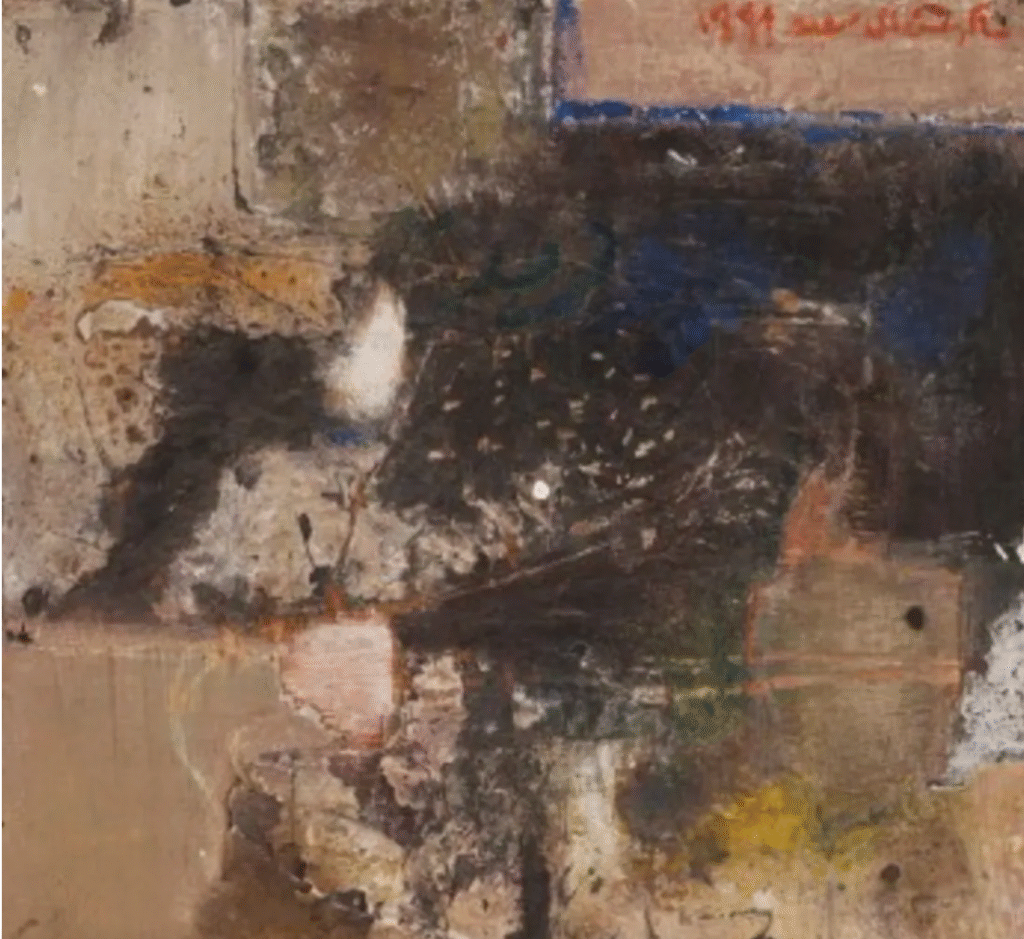
A key example is his series often titled Letters of Time and People and Nature and Intellect. This wasn’t art to be simply viewed; it was to be contemplated, a visual portal to the divine. The surface is rough and dense. The canvas is cut, pierced, and scarred. Script appears isolated or partially erased. Letters function as structure, memory, and presence.
Alongside his artistic practice, Al Said wrote extensively and taught for decades. Through his essays and teaching, he shaped how generations of Iraqi artists understood abstraction, heritage, and responsibility.
Al Said’s influence extended through group formation, writing, and mentorship. Today, he is recognized as one of the key intellectual architects of modern Arab art.
This video provides “Glimpses from the Life of Shakir Hassan Al Said,” offering a visual and auditory journey into the artist’s world. It is highly relevant as it offers direct insights into his personal context and artistic environment, deepening our understanding of his creative motivations.